
Introduction to Digital Minimalism
The way tech takes over our day to day feels pretty wild sometimes, right?
Think about it; how often do you grab your phone just to check one thing, and suddenly you’re scrolling for 20 minutes?
Digital minimalism is all about flipping that script.
It’s not about throwing your phone in a drawer and pretending it doesn’t exist; it’s about making sure you’re the one calling the shots when it comes to your attention.
It’s easy to get sucked into the nonstop stream of notifications and apps designed to keep you hooked.
But here’s the thing: all those little dings and pop ups aren’t harmless.
They’re carefully built to pull you in and keep you there.
Digital minimalism gives you the tools to step back and decide what actually deserves your time and energy.
It’s like taking control of the remote in a room full of screaming channels.
For example, instead of letting social media apps dictate your day, you could choose to check them at specific times.
Or maybe you turn off notifications completely for non-essential apps.
Some people even dedicate one day a week to going offline entirely, like a reset button for their brain.
The goal isn’t to abandon technology but to make it work for you instead of the other way around.
The cool part? Digital minimalism doesn’t have to look the same for everyone.
Some might focus on cutting back their screen time, while others might zero in on reducing the number of apps they use.
Maybe it’s about being more present during meals by putting the phone in another room or using old school alarm clocks instead of sleeping next to your phone.
Even small changes like these can make a massive difference in how you feel and focus.
Tech isn’t inherently bad, but it’s easy to forget we don’t have to be available 24/7 just because we have the ability to be.
Digital minimalism reminds us that we can set boundaries, take breaks, and be more intentional with how we use our devices.
It’s a way to say, “Hey, my attention matters, and I’m not just giving it away to whatever lights up my screen.”
The Impact of Technology on Attention
Let’s be real; tech isn’t just part of life anymore, it’s everywhere, all the time.
While it’s amazing for staying connected and entertained, there’s a downside: it’s constantly pulling focus.
Smartphones, laptops, and even smartwatches are built to keep grabbing your attention.
Notifications, autoplay features, and endless feeds make it way too easy to lose track of time.
The result? A scattered mind that’s always bouncing between tasks.
Here’s the thing: being glued to multiple screens at once, also known as media multitasking, isn’t just a bad habit. It’s been tied to some pretty concerning effects.
It’s not just kids who feel it, though.
Juggling emails while scrolling through social media or watching TV can chip away at the ability to focus, making it harder to get through the day without feeling overwhelmed.
On top of that, constantly switching between tasks can leave you feeling more distracted over time.
Studies show it increases impulsivity and creates attention lapses that look a lot like ADHD.
Even when you’re trying to chill, tech can mess things up.
Ever check your phone before bed? It’s been proven that screen time at night can ruin sleep.
What makes this even trickier is how addictive tech can be.
Social media platforms and apps are designed to keep you scrolling, clicking, and watching.
They use features like endless feeds and surprise notifications to keep you engaged way longer than you planned.
This kind of nonstop engagement can mess with your brain, making it harder to concentrate even when your devices aren’t around.
So, while tech makes life more convenient, it’s clear it comes at a cost.
Whether it’s struggling to pay attention during a meeting, feeling overwhelmed by all the dings and alerts, or noticing how hard it is to put the phone down before bed, the impact on focus is real.
The good news? Once you spot the issue, it’s easier to start thinking about changes to get some of that attention back.
Strategies for Digital Minimalism
Finding ways to balance tech use with daily life doesn’t have to be a headache; it’s all about small steps that actually stick.
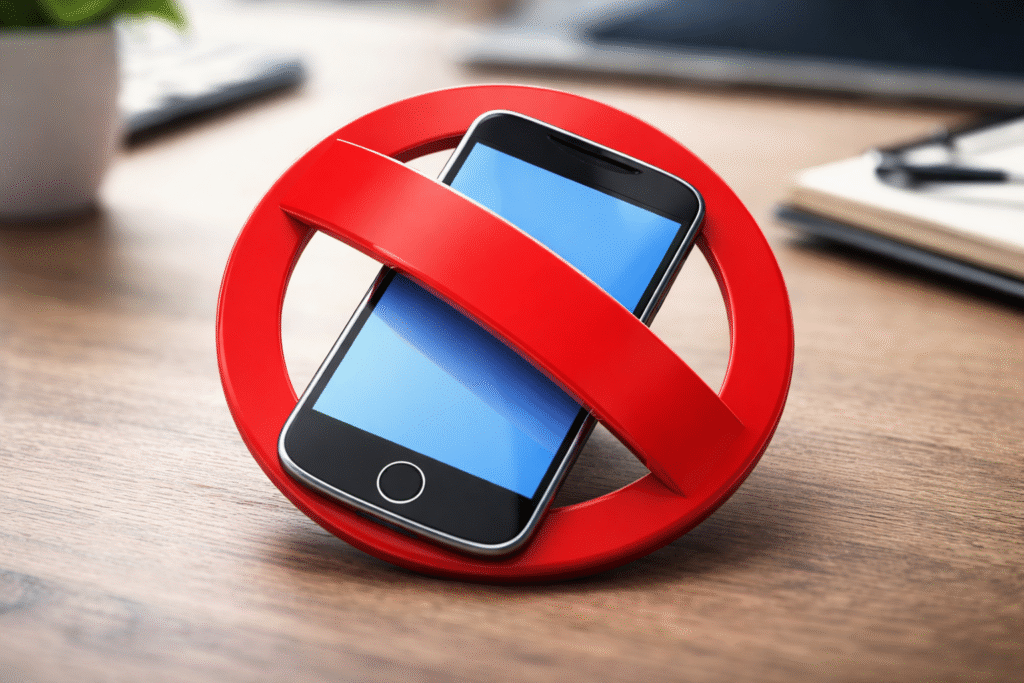
Start with setting clear limits on when and where tech is allowed.
For example, pick one or two “no phone zones” in your home, like the dinner table or the bedroom.
Keeping gadgets out of these spaces can make a huge difference in creating moments of focus or just enjoying some quiet.
Another idea? Schedule your screen time.
Instead of jumping on social media anytime you’re bored, pick specific times during the day to check your accounts.
This keeps you from falling into the scroll hole and gives you more control over your time.
For some, it helps to use apps that track or limit screen time.
They give you a better sense of how long you’re actually glued to your phone and help keep things in check.
And don’t forget about notifications.
Turning off the ones you don’t really need is a game changer.
Most apps don’t need to buzz you every five minutes, and cutting down on those interruptions makes it easier to stay focused on whatever you’re doing.
If it feels overwhelming to adjust all your app settings, start small; maybe silence just one or two apps and go from there.
One strategy that’s gaining popularity is taking regular breaks from screens entirely.
Think about a “tech-free hour” each day or even a whole day once a week.
Whether it’s spending time outside, reading, or catching up with friends in person, unplugging for even a short time can leave you feeling refreshed.
Some people also swear by going grayscale on their phone screens; it’s not as pretty to look at, so you’re less tempted to keep checking it.
It’s worth keeping in mind that high levels of media multitasking can diminish one’s grit, or the perseverance needed to achieve long-term goals.
Using tech intentionally; like focusing on one task at a time or turning on “Do Not Disturb” while working, can help you avoid splitting your attention in ways that wear you down.
Lastly, rethink the apps and tools you actually need. Not every app deserves a spot on your phone, and deleting the ones you barely use can help simplify things.
Even swapping out a digital calendar or note taking app for a physical planner can be a refreshing change.
It’s not about rejecting tech altogether; it’s about finding a balance that works for you.
Reclaiming Attention Control
It’s wild how easy it is to let tech take the driver’s seat when it comes to where your attention goes.
But flipping that dynamic? Totally doable, and people are doing it in all kinds of ways.
Like setting screen time caps; imagine only giving social media 30 minutes a day.
Sounds small, right? But that little tweak has helped folks feel more present and way less drained.
It’s all about taking back control instead of letting apps call the shots.
Some people are getting creative with it.
There’s the “out of sight, out of mind” trick: keeping phones in another room during work or family time.
Others swap their go to tech routines with offline alternatives.
For instance, instead of using a fitness app to track steps, they might go old school with a pedometer.
Or maybe they ditch online recipes and pull out a dusty cookbook.
These tiny swaps don’t feel like a big deal at first, but they start to change the way attention gets divided.
Even businesses are hopping on this train.
Ever heard of teams adopting “no email Fridays”? It’s a game changer for cutting out constant inbox distractions, letting people focus on deep work.
In personal spaces, something as simple as a weekly “phone free dinner” can help carve out quality time with loved ones.
These aren’t massive overhauls, but they work because they’re intentional and easy to stick to.
One trick that’s becoming super popular is turning off all non-essential notifications.
Sounds basic, but think about how often your phone lights up for stuff that doesn’t actually need your attention.
Silencing those alerts can instantly make you feel less scattered.
And for those moments when the urge to check your phone feels unbearable, a lot of people swear by the grayscale feature.
The lack of color makes scrolling way less appealing.
Another thing that helps? Using tech to fight tech.
Apps designed to limit screen time or block distracting sites can be total lifesavers.
Some folks even swear by the Pomodoro Technique, where you focus on one task for 25 minutes, then take a short break; basically a system to keep distractions in check.
And it’s not just about cutting things out.
Being intentional with what you allow in matters, too.
Take digital calendars or reminders.
Instead of letting them flood your day, you could schedule specific times for certain tasks, like replying to messages or checking emails.
It feels way less chaotic when you’re setting the pace.
What’s interesting is how much these small changes snowball into bigger wins.
By tweaking their tech habits, people often find they have more energy, better focus, and even extra time for hobbies they’d been neglecting.
It’s less about being perfect and more about figuring out what works for you; and sticking with it.
Benefits of Digital Minimalism

Digital minimalism has some pretty awesome perks that can totally change the way life feels day to day.
For starters, cutting down on screen time helps clear mental clutter, leaving people less frazzled and more grounded.
It’s not just about avoiding distractions; it’s about making room for better focus and mental clarity.
By putting limits on tech use, it’s way easier to stay on top of priorities without feeling like your brain’s running in a million directions.
Relationships get a big boost too.
With less time staring at screens, there’s more room for those real life moments that actually matter.
Spending time fully present with family or friends; not half-listening while scrolling TikTok, can create deeper connections.
It’s not just about unplugging; it’s about re-engaging with people in ways that feel more meaningful.
Another surprising benefit? Better productivity.
Less time aimlessly scrolling or jumping between apps means more time for actual work; or, better yet, for the stuff you love doing.
When you’re not constantly interrupted by pings and pop ups, it’s way easier to knock out tasks efficiently.
Whether it’s tackling work projects or picking up a hobby, being more intentional with tech use frees up time to actually get stuff done.
It’s not all about what you cut out, though.
Digital minimalism can also open up new opportunities to use tech in smarter ways.
For instance, some research challenges the idea that video games are just a distraction.
Turns out, playing video games has been tied to faster response times and better mental health, including reduced stress levels.
This shows that it’s less about cutting tech out completely and more about figuring out what actually adds value.
On top of all that, digital minimalism can help with sleep.
It’s no secret that staying glued to screens messes with the body’s natural rhythm, especially before bed.
By setting boundaries like no phones after a certain time or keeping screens out of the bedroom, people often find it easier to wind down and get better rest.
Better sleep equals more energy and focus, which then feeds back into everything else; whether it’s work, relationships, or just feeling good in general.
Making intentional choices about tech use doesn’t just reduce stress; it opens up space for more of the good stuff; creativity, connection, and the kind of balance that makes life feel more manageable.
Whether it’s enjoying an actual conversation over dinner or simply having more time to dive into activities that bring joy, digital minimalism shifts attention toward what actually matters.
Common Misconceptions
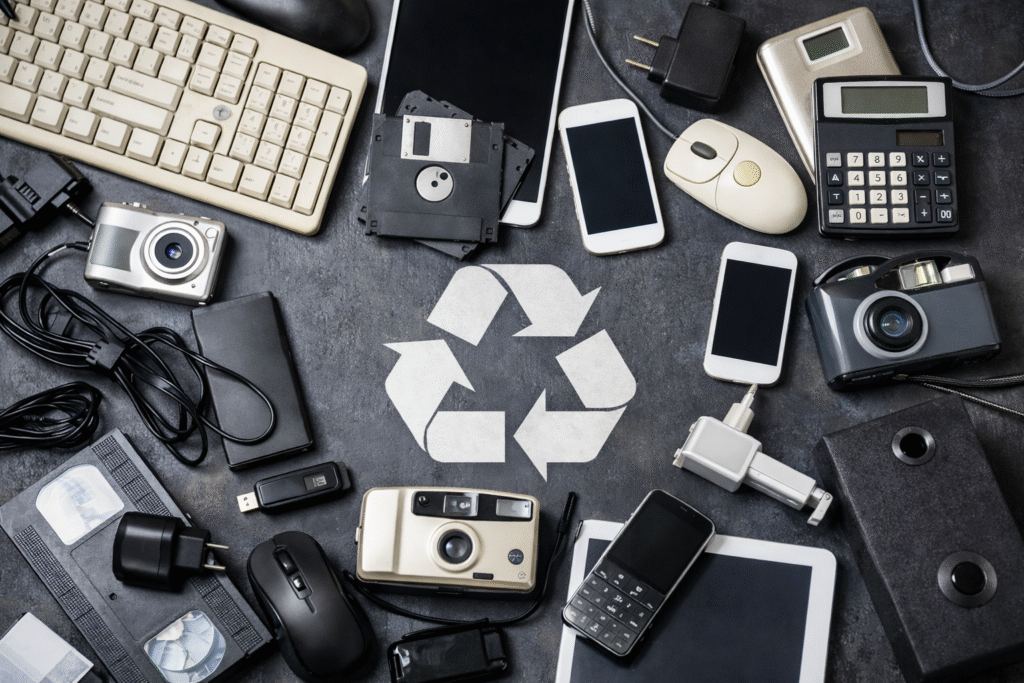
People hear “digital minimalism” and think it means living like it’s 1995, but that’s way off.
The idea isn’t to ditch tech entirely or go completely off the grid.
It’s more about using tech with intention instead of letting it run your life.
It’s not about throwing your laptop in the trash or never posting on Instagram again; it’s just about being smarter about when and how you use it.
Another big myth is that cutting back on tech will make you out of the loop or unreachable.
But here’s the thing: digital minimalism isn’t about being unavailable.
It’s about being available in a way that works for you.
You’re still staying connected; you’re just not letting every app, alert, or DM interrupt your day.
People who practice digital minimalism often find they actually feel more in control of their social and work lives because they’re choosing when to engage instead of being on autopilot 24/7.
There’s also this idea that you have to overhaul your entire life to be a digital minimalist, and honestly?
That’s not true.
It doesn’t have to be all or nothing.
You don’t need to delete every app or swear off Netflix forever.
For some people, it’s as simple as turning off notifications or setting “no screen” zones at home.
Others might decide to stick to their phone for calls and texts but skip all the extra stuff, like games or random apps.
The point is to figure out what’s not serving you and cut back where it counts.
Another misconception?
That digital minimalism is boring or makes life harder.
Actually, it’s the opposite. When you cut back on all the distractions, you free up time and brain space for the things you actually care about.
It’s not about restriction; it’s about making life less chaotic.
A lot of people find that even small changes, like stepping away from screens before bed or setting time limits for social media, make their days feel smoother and more balanced.
Some folks also worry they’ll miss out on opportunities if they’re not constantly plugged in.
But let’s be real; how much of the time spent scrolling is actually productive or meaningful?
Being more intentional with tech use means you’re putting your time and energy into what truly matters.
If anything, it can open up more opportunities because you’re not constantly distracted.
At the end of the day, digital minimalism isn’t about saying no to technology; it’s about saying yes to the things that matter most.
Whether that’s spending more time with family, focusing better at work, or just having more peace of mind, the goal is to make tech work for you, not the other way around.