

Introduction to Authentic Writing
Writers today face a world where artificial intelligence can generate articles, reports, and even stories in seconds, it’s natural to question what sets human writing apart.
The answer lies in authenticity; something no algorithm can fully replicate.
Authentic writing stems from a combination of individuality, creativity, and emotional depth that machines simply can’t emulate.
It’s not about crafting perfect sentences; it’s about creating work that reflects your unique voice and connects with readers on a human level.
Think about the kind of writing that stays with you long after you’ve read it.
It’s rarely the polished, generic piece that checks every box for grammar and structure.
Instead, it’s the writing that feels personal and relatable, often infused with humor, vulnerability, or a distinctive perspective.
These elements make readers feel seen and understood, forming a connection that transcends the words on the page.
What’s fascinating about authentic writing is how it captures the writer’s essence.
For instance, when reading work by someone like Anthony Bourdain, you can almost hear his voice; raw, witty, and unapologetically real.
It’s not just the content but the personality behind the words that makes his writing resonate.
This is the kind of connection AI struggles to achieve because it lacks personal experience, humor rooted in context, and the subtlety of human emotion.
To write authentically, you don’t need to imitate famous authors or aim for some preconceived idea of what good writing looks like.
The goal is to uncover your own voice and lean into it.
Ask yourself what excites you, what frustrates you, or what you’ve learned from your life’s most pivotal moments.
Your experiences, thoughts, and emotions are your most valuable tools as a writer.
They’re the things that give your work depth and originality; qualities that make readers feel like they’re engaging with a real person.
Another key to authentic writing is allowing your personality to shine through.
If you’re naturally sarcastic, let that tone come across in your work.
If you’re deeply introspective, explore those layers in your writing.
There’s no formula for what makes a writer’s voice stand out; the magic happens when you stop trying to fit into a mold and embrace what makes your perspective special.
Ultimately, authentic writing isn’t about perfection or adhering to rigid rules.
It’s about creating something only you could write, tapping into your unique combination of personality, experiences, and emotions.
That’s the kind of writing readers connect with—and the kind of writing no AI can duplicate.
Understanding Your Unique Perspective

Every writer brings a specific lens to the page, shaped by their background, values, and the experiences that have left a mark on their life.
This perspective is the foundation of your voice, and no two are exactly alike.
Tapping into this requires looking inward and paying attention to the moments that have influenced who you are today.
These could be life-changing events, quiet realizations, or even the small, seemingly mundane details of your everyday life that others might overlook.
Start by identifying what resonates deeply with you.
Maybe it’s your love for a specific hobby, the challenges you’ve faced, or the cultural traditions you grew up with.
All of these factors contribute to the way you see the world, and they have the potential to enrich your writing.
For example, if you grew up in a bustling city, you might have a unique ability to capture the sensory overload of urban life.
On the other hand, a childhood spent in a small town might give you a knack for evoking a sense of quiet nostalgia.
When you draw from these experiences, it’s important to go beyond just describing them.
Focus on the emotions, lessons, or insights they’ve sparked. For instance, let’s say you’ve spent years working in a job you didn’t love.
Instead of simply writing about the monotony of that experience, think about what it taught you; resilience, creativity, or the importance of pursuing work that aligns with your values.
These reflections are what make your perspective uniquely yours and help readers connect with your work on a deeper level.
Another way to explore your perspective is by paying attention to your natural tendencies.
Are you someone who gravitates toward humor when faced with challenges?
Do you approach problems with curiosity or with skepticism?
These tendencies influence not only how you approach life but also how you write.
Maybe your sarcasm turns a mundane observation into something laugh out loud funny, or your curiosity pushes you to explore angles others might miss.
Lean into these quirks; they’re part of what makes your voice distinct.
You can also draw inspiration from the way you interpret the world around you.
Two people can look at the same situation and come away with entirely different impressions, and it’s those differences that make writing rich and compelling.
For example, witnessing a thunderstorm might make one writer think of chaos and unpredictability, while another might see beauty and renewal.
Exploring how your interpretation of events contrasts with others can be a great way to refine your perspective.
By staying attuned to your experiences and how you naturally engage with the world, you’ll begin to uncover a voice that feels undeniably your own.
Developing a Distinct Writing Style

Developing a distinct writing style starts with embracing your instincts and experimenting with how you communicate.
Style isn’t something you can force or copy; it’s an extension of how you naturally think and express yourself.
One way to explore your style is by paying attention to the words and phrases you gravitate toward and the rhythm of your sentences.
Do you lean into short, punchy sentences that get straight to the point, or do you prefer long, flowing descriptions that draw readers in?
These preferences are the foundation of your voice and can set you apart from others.
Experimentation is an essential part of this process.
Try writing in different formats, tones, or even genres to see what feels right for you.
For instance, you might discover that your knack for storytelling shines in personal essays, or you might uncover a talent for witty, concise copy in blog posts.
This process isn’t about boxing yourself into one style; it’s about uncovering the range of tools at your disposal and figuring out how to use them effectively.
Another way to develop your style is to focus on the details that make your writing unique.
Pay attention to how you describe a scene, explain an idea, or convey emotion.
For example, instead of saying someone is upset, think about what their face looks like, how their hands move, or what their voice sounds like.
These details bring your writing to life and reflect the way you notice and interpret the world. Over time, the way you handle these small touches will become one of your trademarks.
A strong writing style also involves making deliberate choices about tone and voice.
If humor feels natural to you, let it show in your writing. If you’re someone who loves digging deep into emotions, lean into that.
These choices don’t just reflect your personality; they help create a consistent experience for your readers.
For instance, someone like David Sedaris has mastered the art of blending self-deprecation with sharp wit, making his work instantly recognizable.
You don’t have to emulate someone else’s approach, but looking at how they use their strengths can inspire you to think about how to use yours.
It’s also helpful to read widely and analyze what you admire in other writers.
You might notice how one author uses metaphor in unexpected ways or how another creates a conversational tone that feels effortlessly engaging.
While you shouldn’t try to mimic their styles, understanding what draws you to their work can spark ideas for your own writing.
The goal is to blend inspiration with your own perspective to create something that feels distinctly yours.
Embracing Vulnerability and Authenticity

Authenticity in writing often starts where vulnerability begins.
Being open about your thoughts, feelings, and experiences can transform your work into something deeply relatable.
While it might feel daunting to put your true self on the page, this honesty is what draws readers in; it shows them they’re connecting with a real person, not just words on a screen.
Think about the moments in your life when you’ve felt uncertain, scared, or even embarrassed.
These aren’t just experiences; they’re opportunities to explore the raw emotions that shape who you are.
Writing about such moments doesn’t mean oversharing or venting.
It’s about finding the universal threads in your personal story and weaving them into something others can relate to.
For instance, you could write about failing at something important to you, not to dwell on the failure itself, but to examine what you learned and how it changed you.
Vulnerability doesn’t have to be heavy or dramatic, either.
It can be found in admitting small, everyday truths; like how you felt left out at a social event or the frustration of not meeting your own expectations.
These moments, though seemingly insignificant, are incredibly human.
Sharing them allows readers to see their own struggles and triumphs reflected in your work.
Authentic writing also embraces imperfection.
You don’t need to present yourself as someone who has it all figured out.
In fact, showing your doubts or challenges can be far more compelling.
Take a topic you feel strongly about, and don’t shy away from exploring the nuances or contradictions in your perspective.
Readers are often more engaged by honest uncertainty than by overconfidence.
For example, if you’re writing about a decision that was hard to make, walk them through your thought process and the internal conflict you felt.
This openness invites readers to not just hear your story but to step into it.
Another powerful way to foster authenticity is by writing with emotional specificity.
Instead of general statements like, “I felt sad,” dig deeper.
What did that sadness feel like? Did it make you restless, or did it leave you numb? Did it come with a sense of loneliness, or was it tied to a specific memory?
The more specific you get, the more universal your writing becomes, because readers recognize those same emotions in themselves.
Ultimately, vulnerability isn’t about being perfect; it’s about being real.
When you allow yourself to be seen, your writing takes on a depth and honesty that no algorithm can replicate.
Engaging Your Audience Through Originality

To capture your audience’s attention and keep them invested, focus on delivering ideas that feel fresh and unexpected.
Originality doesn’t mean reinventing the wheel; it’s about finding new angles or combining concepts in ways that surprise and engage.
Readers are drawn to writing that offers a perspective they haven’t encountered before, so don’t be afraid to think outside the box.
One way to inject originality into your work is to ask yourself questions that challenge conventional thinking.
Instead of approaching a topic in the same way it’s been discussed a hundred times, consider what’s missing from the conversation.
What’s the viewpoint nobody seems to be addressing?
For example, if you’re writing about productivity, everyone talks about time management tools, but fewer people explore how personality traits influence how we work.
By identifying these gaps, you can present your ideas in a way that feels fresh and thought-provoking.
Another way to stand out is by creating comparisons that are uniquely yours.
Analogies and metaphors are powerful tools for making abstract ideas more relatable, but they’re most effective when they feel personal and unexpected.
For instance, rather than describing multitasking as “juggling,” which has been done to death, you might compare it to “trying to keep a balloon in the air while typing an email.”
These specific, vivid images stick with readers because they’re unexpected yet easy to visualize.
Originality also thrives when you infuse your work with curiosity.
Don’t settle for the obvious when you can dig deeper into a subject.
Instead of stopping at surface level observations, ask yourself what underlying factors are at play.
For example, rather than simply stating that social media creates pressure, you might explore why we feel compelled to present idealized versions of ourselves online.
It’s this deeper exploration that keeps readers engaged because it offers something more substantial than what they’ve already seen.
Finally, consider how your personal experiences and insights can bring something new to the table.
No one has lived your life or seen the world through your exact lens.
Drawing from your own background or unconventional approaches can make even a well trodden topic feel fresh.
For instance, if you’re writing about leadership, you might use a childhood memory of organizing a neighborhood soccer game to illustrate teamwork, showing how small, personal moments can carry broader lessons.
Engaging your audience means staying willing to explore, take risks, and share perspectives that only you can offer.
It’s about bringing your own unique lens to the table and trusting that your originality will resonate with readers.
Consistent Practice and Feedback

Developing your writing voice is an ongoing process that thrives on dedication and willingness to grow.
One of the best ways to make progress is through consistent practice.
The more you write, the more you uncover the nuances of your style and learn what feels natural to you.
Even if it’s just a few sentences a day, regular writing helps you build confidence and refine your approach over time.
It’s also essential to allow yourself room for experimentation during this practice.
Don’t be afraid to try new techniques, explore different formats, or approach topics from unexpected angles.
You might find that certain methods bring out parts of your voice you didn’t realize were there.
As an example, attempting poetry might reveal a knack for vivid imagery, while writing opinion pieces could sharpen your ability to argue a point clearly and persuasively.
Treat this process as a way to stretch your creative muscles and discover what resonates most with you.
Feedback plays a crucial role in helping you grow as a writer.
Sharing your work with trusted peers, mentors, or writing groups can provide perspectives you may not have considered.
Constructive feedback highlights both your strengths and areas where you can improve, offering you specific steps to take your writing further.
Remember, feedback isn’t about being judged; it’s about gaining insights that can push you to create your best work.
When seeking feedback, ask for detailed input. Instead of a generic “What did you think?” try asking specific questions like, “Did the tone feel consistent?” or “Were the examples clear and engaging?”
The more precise your questions, the more actionable the feedback you’ll receive.
It’s also helpful to reflect on the comments you get and decide which suggestions align with your goals as a writer.
Not every piece of advice will fit your vision, and that’s okay.
Finally, don’t overlook the importance of revisiting your own work with a critical eye.
Giving yourself time between writing and editing allows you to see your work from a fresh perspective.
Over time, you’ll become better at identifying patterns in your writing, understanding what works, and recognizing where you can improve.
Combining this self-reflection with feedback from others creates a powerful foundation for growth.
Writing isn’t about getting everything perfect from the start; it’s about learning, improving, and staying true to your unique voice.
💡 Quick question before you go:
Are you using AI in your copywriting — or letting it use you?
Take the 2-minute quiz to uncover your Copywriting + AI Style, get your personalized analysis, and receive a free copy of The Marr Method of Copywriting.
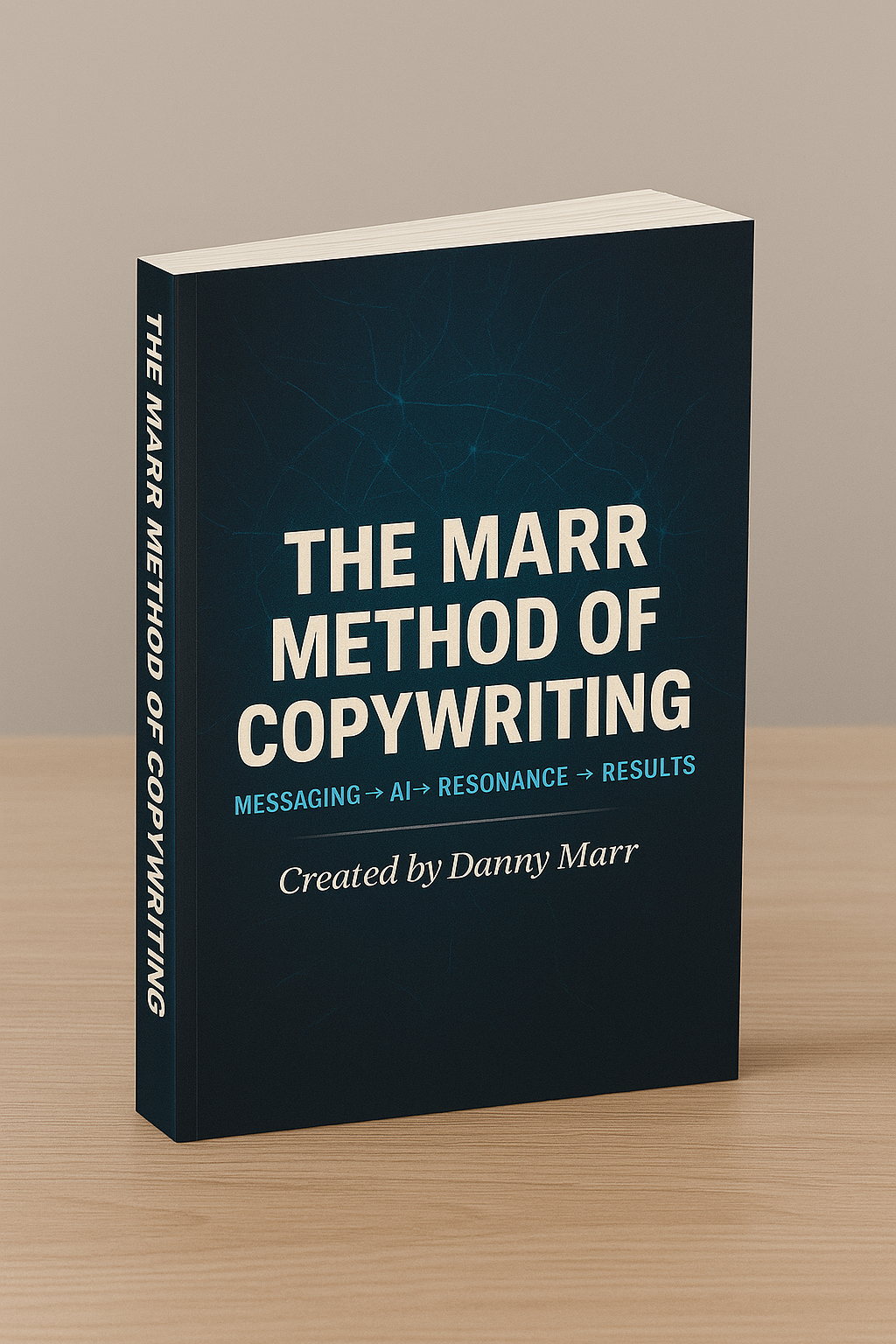 👉 Take the Quiz — Unlock Your Style
Die Realität des Krieges, eingefangen in unvergesslichen Sätzen. Holen Sie sich Im Westen nichts Neues als PDF. Lassen Sie sich von der poetischen und zugleich brutalen Sprache Remarques faszinieren, die den Schrecken greifbar macht. https://imwestennichtsneuespdf.site/ Welche Oscars Hat Im Westen Nichts Neues
Um die authentische Berliner Lebensart zu spüren, ist der Besuch in einem lokalen Kiez-Café Pflicht, und eine gut sortierte PDF-Datei hilft dir dabei, die touristischen Pfade zu verlassen und echte Geheimtipps zu entdecken, wo du zwischen Stammgästen und Nachbarn den besten Filterkaffee der Stadt genießen kannst. https://cafeinberlinpdf.site/ German Books For Beginners Pdf Free
The Is This a Cry for Help PDF is perfect for modern life. This digital file is convenient. Secure your download today. https://isthisacryforhelppdf.site/ Is This A Cry For Help Slideshare
Born of Trouble is a story of hope, resilience, and the power of the human spirit. This uplifting and yet gritty narrative is now available in a convenient pdf format. Let the story of these characters inspire you to never give up on yourself. https://bornoftroublepdf.site/ Pdf Search Engine For Books
Un libro che ti farà scoprire cosa significa veramente amare. Una vita come tante è un romanzo potente e delicato allo stesso tempo. Trovare il PDF o la versione digitale è il primo passo per entrare in questo mondo. La storia di Jude e dei suoi amici è un viaggio emozionante attraverso la vita. Grazie all’eBook, potrai leggere ovunque e in qualsiasi momento. Scopri il capolavoro di Hanya Yanagihara e preparati a essere travolto dalle emozioni.
Ken Follett firma il suo capolavoro finale con I giorni dell’eternità. La storia si intreccia con le vite dei personaggi in un modo che solo lui sa fare. L’epub è il formato perfetto per chi vuole leggere questo best-seller senza ingombri. La tecnologia digitale rende accessibile a tutti questa opera monumentale. Vivete le emozioni della fine del secolo attraverso le pagine di un libro che non dimenticherete facilmente.