
Introduction to Value-Based vs. Value-Driven Copywriting
When crafting the voice of a brand, how you communicate can make all the difference in how your audience perceives and connects with you.
Two foundational approaches in messaging are value-based copywriting and value-driven messaging.
While they may sound similar, they serve different purposes and can have distinct impacts depending on your brand’s goals and your audience’s preferences.
Value-based copywriting focuses on aligning with the principles, ethics, and beliefs of your audience.
It’s not about selling a product or service outright but rather about creating a shared sense of identity.
This approach resonates particularly well with consumers who care deeply about issues like sustainability, fairness, or community impact.
Think of brands that emphasize their commitment to environmentally friendly practices or that give back to social causes.
This type of messaging often appeals to emotions and creates loyalty by showcasing the values that guide the brand.
In contrast, value-driven messaging takes a more practical route.
Instead of focusing on shared principles, it highlights the direct, tangible benefits your audience will experience.
This might involve pointing out how your product saves time, offers superior quality, or delivers cost savings.
Value-driven copywriting is all about clarity; making sure potential customers understand exactly what they’re getting and why it matters to them.
This approach often appeals to those who prioritize functionality and results when making decisions.
Understanding the difference between these two strategies can empower you to refine how your brand communicates.
Each approach taps into a unique motivator for your audience, whether it’s an emotional connection or a practical need.
Knowing when and how to use them; or even combining elements of both, can help you create messaging that resonates deeply and drives results.
Core Principles of Value-Based Copywriting
Value-based copywriting is about fostering a genuine connection between your brand and its audience by aligning with their deeply held principles and beliefs.
Instead of focusing on the specifics of a product or service, this approach centers on the broader ideals that matter most to your consumers.
By doing so, it allows your brand to stand out as more than just a business; it becomes a partner in the shared pursuit of these values.
One essential aspect of value-based copywriting is personalization.
This strategy emphasizes making consumers feel seen and understood, and the results speak for themselves.
The ability to speak directly to the individual, rather than a generic audience, fosters trust and connection.
Furthermore, emails with customized subject lines see a 50% increase in open rates because they connect more authentically with the recipient.
Transparency also plays a significant role in this type of messaging.
Consumers today are more informed and selective, looking to support brands that openly share their practices and commitments.
For example, companies that prioritize sustainability and ethical sourcing often include these details in their messaging to appeal to conscious consumers.
Highlighting these efforts not only differentiates a brand but also solidifies its credibility in the eyes of its audience.
User-generated content can also be a powerful tool in value-based copywriting.
Sharing real stories, testimonials, or photos from customers who share your brand’s ideals can amplify your messaging.
This tactic has proven highly effective, with emails featuring user-generated content experiencing a 73% higher engagement rate.
These stories make your brand’s alignment with its values feel authentic and relatable.
Lastly, consistency is crucial in value-based copywriting.
To maintain credibility, your brand must ensure its actions align with its stated values.
For example, a company that promotes environmental responsibility must demonstrate its commitment through sustainable practices, such as using recycled materials or reducing waste.
Any disconnect between messaging and action can erode trust and alienate consumers who prioritize authenticity.
Core Principles of Value-Driven Copywriting

Value-driven copywriting zeros in on the practical advantages and outcomes your product or service delivers to your audience.
This approach emphasizes clarity, ensuring consumers understand what they gain by engaging with your brand.
By focusing on direct benefits, you position your offering as a solution that meets your audience’s specific needs and expectations.
One key element of value-driven messaging is precision.
Tailoring your copy to address the unique pain points and desires of different audience segments can dramatically boost engagement and revenue.
For example, segmented email campaigns can lead to a staggering 760% increase in revenue.
This means that by speaking to the particular needs of your audience, you can make your message more relevant and impactful.
Another essential tactic is incorporating personalization into your strategy.
Personalized messaging; whether through ads, emails, or landing pages, creates a sense of exclusivity and relevance for the consumer.
For instance, personalized ads that consider user behavior can see a 29% higher conversion rate.
This level of customization reassures potential buyers that your brand truly understands their individual needs and goals, making them more likely to take action.
Value-driven copywriting also excels when it highlights clear, measurable outcomes.
Whether it’s saving time, improving efficiency, or reducing costs, consumers want to know what they can expect.
Communicating this upfront allows them to quickly evaluate the value of your offering.
For example, brands that clearly spell out benefits like “cutting daily commute times in half” or “reducing monthly expenses by 30%” make it easier for consumers to see why their product or service is worth investing in.
Creating a sense of urgency is another effective strategy.
By emphasizing limited-time offers or exclusive deals, brands can motivate consumers to act quickly.
Limited-time promotions can tap into the fear of missing out, encouraging faster decision-making.
A powerful example of this is when landing pages feature limited-time offers or promotions, which can result in a 25% higher conversion rate.
Finally, simplicity in messaging plays a critical role in value-driven copywriting.
Clear, concise copy that avoids unnecessary jargon ensures your audience immediately grasps the key takeaways.
The more straightforward the message, the more likely it is to resonate with busy, decision-oriented consumers.
This strategy works well across different industries and can be applied in various formats, from website copy to product descriptions.
Choosing Between Value-Based and Value-Driven Approaches
Determining whether to adopt a value-based or value-driven approach depends largely on your audience’s priorities and the goals of your brand.
Each method speaks to distinct motivations, and understanding these nuances can help you craft messaging that truly resonates.
A value-driven approach often appeals to audiences who seek tangible benefits and clear solutions.
For example, a tech company targeting innovation-minded consumers might highlight cutting-edge features, superior performance, or cost-effectiveness.
This type of messaging allows potential customers to see exactly how the product fits into their lives, delivering measurable advantages that satisfy their practical needs.
On the other hand, value-based messaging connects with consumers on a more emotional level, focusing on shared principles and ideals.
This approach is particularly effective for brands looking to differentiate themselves in competitive markets by aligning with the beliefs of their audience.
For instance, a retail company might spotlight ethical sourcing or environmental responsibility to build loyalty with customers who prioritize sustainability.
Ultimately, your choice of strategy should reflect your audience’s mindset.
Brands targeting results-driven consumers may benefit from emphasizing clarity and measurable outcomes, while those aiming to forge emotional connections should focus on authenticity and values alignment.
However, the real key lies in identifying what your audience values most; whether it’s saving time or supporting causes they care about, and crafting your message accordingly.
Balancing Both Approaches for Maximum Impact

While it might seem like you need to pick one approach over the other, the reality is that combining value-based and value-driven strategies can lead to more impactful messaging.
This dual approach allows brands to engage with a diverse audience, connecting emotionally while also addressing practical needs.
By blending the two, brands can build deeper trust while showcasing how they provide real solutions.
A practical way to integrate these methods is by highlighting a product’s tangible benefits alongside the ethical practices behind its creation.
For example, a skincare brand could promote its product’s ability to improve skin hydration within 24 hours while also emphasizing its commitment to cruelty-free testing and eco-friendly packaging.
This ensures that both the results-focused customer and the values-oriented consumer feel aligned with the brand’s messaging.
Limited-time promotions present another opportunity to use both strategies effectively.
However, this urgency can be balanced with messaging that reinforces the brand’s alignment with customer values, such as donating a percentage of each purchase to a cause or using sustainable materials in promotional packaging.
Social proof is another effective tactic for blending these approaches.
By sharing testimonials or user-generated content, brands can highlight how their product delivers real benefits while also showcasing shared values.
For instance, featuring a customer review that praises both the effectiveness of a product and the company’s transparency about sourcing materials creates a multi-dimensional narrative that appeals to different consumer priorities.
Brands can also weave these strategies into their digital experiences.
For example, personalized recommendations can combine practical benefits and value-based alignment.
Suppose an e-commerce site uses browsing data to suggest products that align with a user’s past purchases, like sustainable home goods.
This not only demonstrates an understanding of the customer’s preferences but also highlights the dual emphasis on function and ethics, leading to higher engagement and loyalty.
By thoughtfully combining emotional resonance with clear, actionable benefits, brands can craft a narrative that speaks to what their audience values most, ensuring their messaging resonates on multiple levels.
Conclusion and Takeaways

Choosing between value-based and value-driven copywriting isn’t about deciding which approach is better; it’s about understanding which strategy best fits your brand’s goals and the people you’re trying to reach.
Both approaches have unique strengths and appeal to different audience motivations, whether emotional or practical.
By focusing on these distinctions, you can create messaging that feels intentional and effective.
The power of value-based copywriting lies in its ability to forge deep, emotional connections.
Brands that take the time to align with their audience’s beliefs and ideals can cultivate lasting loyalty.
Meanwhile, value-driven messaging excels in highlighting the concrete advantages of your product or service, making it easy for customers to see the impact it will have on their lives.
Recognizing when to use one approach over the other; or blending the two, gives your brand flexibility in how you communicate.
To find the right balance, begin by getting to know your audience.
What do they care about most? Do they prioritize shared values, or are they more focused on immediate, measurable benefits?
Use data to guide your decisions.
Surveys, customer feedback, and insights from past campaigns can reveal what resonates most with your target market.
This foundation ensures that your copywriting strategy is informed and tailored, rather than one size fits all.
Once you have a clear understanding of your audience, experiment with incorporating both approaches into your messaging.
For example, your social media campaigns might lean toward value-based storytelling, while your product pages focus on value-driven clarity.
Testing different formats and tones allows you to see what works best across various channels.
Over time, this process of refinement will help you build a cohesive voice that reflects both your brand identity and your audience’s needs.
Another takeaway is the importance of consistency.
Regardless of which approach you use, your messaging must align with your actions as a brand.
If your copy emphasizes sustainability, your business practices need to reflect that commitment.
Similarly, if you promise tangible results, your product or service must deliver.
Consistency not only builds trust but also reinforces your credibility, ensuring that customers feel confident in their decision to choose your brand.
Adaptability is also crucial.
Consumer preferences and market trends are constantly evolving, and staying tuned in to these shifts will help you remain relevant.
Pay attention to how your audience’s priorities change and adjust your messaging accordingly.
For example, as more consumers focus on social impact, a stronger emphasis on value-based messaging might make sense.
On the other hand, during times when budgets are tighter, highlighting cost savings and efficiency could be more effective.
Ultimately, the best approach is one that reflects the unique identity of your brand while addressing what your audience values most.
There’s no need to box yourself into one method when combining elements of both can create a more holistic strategy.
By taking a thoughtful and intentional approach to your copywriting, you can build stronger connections with your audience and communicate your brand’s story in a way that resonates.
💡 Quick question before you go:
Are you using AI in your copywriting — or letting it use you?
Take the 2-minute quiz to uncover your Copywriting + AI Style, get your personalized analysis, and receive a free copy of The Marr Method of Copywriting.
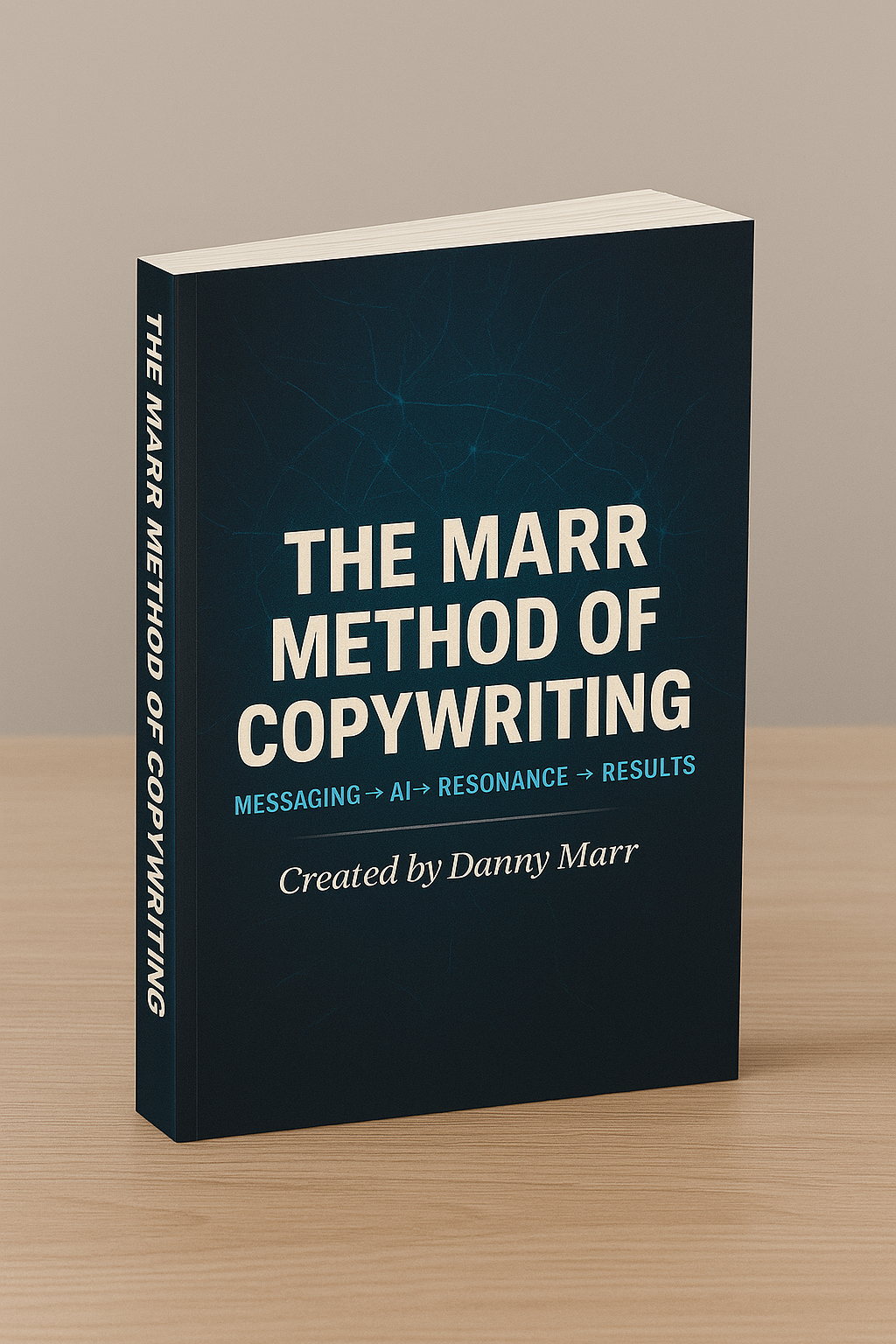 👉 Take the Quiz — Unlock Your Style
Your article helped me a lot, is there any more related content? Thanks! https://www.binance.com/register?ref=IXBIAFVY