
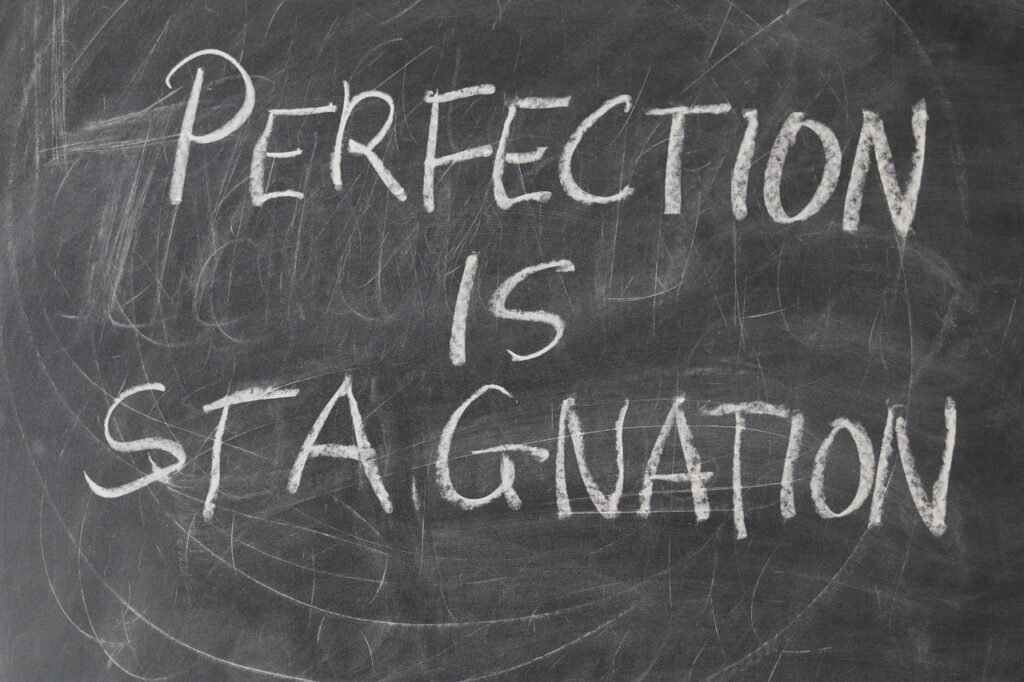
Introduction to Perfectionism
Perfectionism is a mindset that can feel both motivating and paralyzing.
On the surface, it might appear to be a healthy drive to do your best or exceed expectations.
However, when left unchecked, it often becomes an overwhelming need to avoid mistakes at all costs.
This mindset can create a pattern of overthinking, procrastination, and fear of failure that limits growth and holds people back from pursuing their goals fully.
At its core, perfectionism is fueled by the belief that being flawless equates to being worthy.
This belief can lead to a constant fear of judgment and a focus on external validation.
For instance, someone might spend hours reworking a project, not because it isn’t good, but because they fear it won’t meet some imagined, unattainable standard.
While striving for improvement is productive, striving for perfection often turns into self-criticism and stress.
In many cases, perfectionism is rooted in early experiences or societal expectations.
Some people develop it after being rewarded for high achievement as children, while others feel pressured by a culture that glorifies success and discourages vulnerability.
Social media, for example, often highlights the polished versions of people’s lives, reinforcing the idea that anything less than ideal is unacceptable.
This creates a cycle where mistakes or imperfections are seen as failures, rather than opportunities to grow and learn.
What’s particularly tricky about perfectionism is how it can disguise itself as ambition or diligence.
It’s easy to justify the late nights, the endless edits, or the refusal to delegate because they feel like signs of hard work.
Yet, these habits often lead to diminishing returns.
Instead of creating meaningful progress, perfectionists tend to become stuck, unsure of how to move forward unless every single detail is flawless.
The perfectionist mindset can also negatively affect relationships and personal well being.
For instance, someone with perfectionist tendencies might avoid taking risks in their career or delay starting a passion project because they don’t feel “ready.”
Similarly, relationships can suffer when perfectionists hold themselves or others to impossible standards, creating tension and unrealistic expectations.
It’s important to recognize that perfectionism isn’t about wanting to do well; it’s about an unrelenting fear of falling short.
This fear can keep you from experiencing the very things that make life fulfilling, like connection, creativity, and the confidence that comes from trying, failing, and trying again.
Understanding how this mindset operates is the first step toward breaking free and building a healthier, more sustainable way of approaching challenges.
The Downsides of Pursuing Perfection

The drive to achieve perfection can have a profound impact on mental and physical health.
Research has shown that levels of perfectionism in college students have risen significantly, primarily due to societal pressures, which have increased at twice the rate.
For many young people, this pressure is especially evident in academic environments, where the focus on grades and accolades often fosters perfectionist tendencies.
A 2022 study found that 85.4% of young individuals identified themselves as having perfectionist traits, especially related to academic achievement. This caused stress that impacted their physical and mental health.
The constant striving to meet these unrealistic expectations frequently leads to burnout and diminished confidence, leaving students feeling stuck in a cycle of anxiety and self-doubt.
Perfectionism isn’t limited to academic settings; it impacts people across all stages of life.
Adults with perfectionist tendencies often experience chronic stress, stemming from the inability to meet impossible personal or professional standards.
The weight of this pressure can contribute to a range of mental health challenges.
Studies have linked perfectionism to conditions like depression, anxiety disorders, obsessive-compulsive disorder, and eating disorders.
Over time, these challenges can interfere with career advancement, relationships, and overall quality of life.
For instance, someone in the workplace might spend an excessive amount of time revising a report, not because it’s required, but because they fear the slightest mistake will harm their reputation.
This not only delays progress but can also strain relationships with coworkers who depend on timely collaboration.
Physical health also suffers under the weight of perfectionism.
Chronic stress, fueled by perfectionist habits, has been shown to weaken the immune system, disrupt sleep, and even contribute to long term issues such as cardiovascular problems.
For individuals constantly striving to meet unattainable ideals, the cost to their health can be significant, further compounding the mental toll.
Beyond its effects on the individual, perfectionism can also influence interpersonal relationships.
Those who hold themselves to high, rigid standards often project similar expectations onto others.
This can create tension, as friends, family members, or colleagues may feel they can never measure up.
Over time, these dynamics can erode trust and connection, leaving perfectionists feeling isolated and misunderstood.
Why Embracing Imperfection is Beneficial

Letting go of the need to be perfect creates space for personal growth and self-discovery.
When you stop obsessing over flaws and start viewing them as a natural part of life, you allow yourself to develop resilience and adaptability; qualities that are far more valuable than striving for an unattainable ideal.
Imperfection invites you to take risks, make mistakes, and ultimately learn in ways that perfectionism would never allow.
Consider how imperfection can unlock creativity.
Many innovations and works of art emerge not because someone did everything perfectly, but because they were willing to experiment and fail along the way.
For instance, some of the most successful entrepreneurs credit their breakthroughs to ideas that didn’t initially work out.
By focusing on exploration rather than perfection, they were able to uncover new possibilities they might have otherwise ignored.
In relationships, embracing imperfection fosters authenticity.
When you’re no longer trying to project a polished, flawless image, you create room for genuine connection.
Others feel more comfortable around you, sensing that they don’t have to be perfect either.
This can deepen trust and improve communication, allowing relationships to flourish without the constant pressure of unrealistic expectations.
For example, a parent who shows vulnerability and admits their mistakes teaches their child that it’s okay to fail, paving the way for open and honest conversations.
Another key benefit of embracing imperfection is reduced stress.
When you’re not chasing perfection, you stop pouring energy into endlessly tweaking and revising.
Instead, you can prioritize progress and allocate your efforts more effectively.
A professional who spends hours perfecting every detail of a presentation might deliver a polished product, but at the cost of missing other important tasks; or even burning out.
By letting go of the need to overdo it, they can perform better overall and still maintain balance in their lives.
Accepting imperfection also helps build self-compassion.
Rather than focusing on shortcomings, you can treat yourself with kindness when things don’t go as planned.
This mindset shift makes it easier to recover from setbacks and approach challenges with confidence instead of self-doubt.
Research shows that people who practice self-compassion are more likely to persevere in difficult situations, as they view mistakes as opportunities to learn rather than as evidence of failure.
At its core, imperfection is a reminder that life isn’t about flawless execution but about growth, connection, and exploration.
Recognizing this truth allows you to let go of the unnecessary weight that perfectionism places on your shoulders.
Strategies to Overcome Perfectionism

Overcoming perfectionism requires a deliberate approach to breaking old habits and adopting healthier ways of thinking.
One effective strategy is to reframe how you view mistakes.
Instead of seeing them as failures, consider them opportunities for learning and growth.
For example, if you make an error at work, focus on what the experience can teach you rather than obsessing over the fact that it wasn’t perfect.
This shift in mindset can reduce the fear of trying new things and help you build resilience.
Another practical tip is to practice setting boundaries with yourself.
Perfectionism often pushes people to overcommit, whether by spending unnecessary hours on a task or taking on more responsibilities than they can handle.
Start by identifying the areas where you tend to go overboard and establish clear limits.
For instance, you might decide to spend no more than a specific amount of time reviewing an email before sending it.
By setting boundaries, you conserve energy and avoid the trap of endless fine tuning.
Journaling can also be a helpful tool for challenging perfectionist tendencies.
Writing down your thoughts allows you to identify patterns and beliefs that fuel the need to be perfect.
For example, if you find yourself constantly worried about others’ opinions, journaling can help you unpack why their approval feels so important and whether those fears are truly grounded in reality.
This reflective practice can create greater self-awareness, making it easier to recognize and challenge unhelpful thought patterns.
Experimenting with “good enough” is another powerful way to loosen perfectionism’s grip.
Choose one task in your daily routine and intentionally aim for it to be satisfactory instead of perfect.
This might mean submitting a project when it’s 90% complete instead of refining every small detail.
Over time, this practice can help you build tolerance for imperfection and prove to yourself that good enough often gets the job done just as effectively.
It’s also important to pay attention to your inner dialogue.
Perfectionists tend to be highly self-critical, which can undermine confidence and lead to a cycle of self-doubt.
Begin replacing harsh self-judgment with more supportive language.
For instance, instead of saying, “I’m terrible at this,” try reframing it to, “This is a challenge, but I’m learning.”
Shifting the way you talk to yourself can foster a more compassionate mindset, which is essential for making progress.
Lastly, don’t underestimate the value of seeking feedback from others.
Perfectionists often operate in a vacuum, relying solely on their own high standards.
By sharing your work or ideas with someone you trust, you can gain a more balanced perspective.
Often, what you perceive as a flaw might not even register to others.
Feedback not only helps you improve but also challenges the assumption that perfection is necessary to be valued or respected.
How Embracing Imperfection Leads to Freedom

When we let go of the pressure to appear perfect, we unlock the ability to think creatively and approach challenges with curiosity rather than fear.
Imperfection isn’t just something to tolerate; it’s a catalyst for growth and innovation.
By shifting the focus away from doing everything “right,” we create the space needed to explore, take risks, and ultimately make meaningful progress.
Take the example of artists or musicians whose work reflects raw emotion and vulnerability.
Their creations often resonate deeply, not because they’re technically flawless, but because they embrace the imperfections that make their work authentic and relatable.
Similarly, in the workplace, leaders who openly acknowledge their mistakes often foster more collaborative and supportive teams.
By being honest about their own missteps, they model a culture where others feel safe to share ideas and experiment without fear of failure.
In fact, many groundbreaking discoveries have come about because someone was willing to accept imperfection and adapt.
A well known case is the invention of the pacemaker, which originated from a failed attempt to build a heart rhythm recording device.
Instead of scrapping the project, the inventor repurposed the flaw into a life saving technology.
Stories like this highlight how embracing imperfection can lead to outcomes far beyond what we might achieve by clinging to rigid standards.
This mindset also enhances how we connect with others.
When we stop hiding behind a façade of perfection, we allow ourselves to be seen for who we truly are.
For instance, imagine sharing an embarrassing story during a conversation.
Rather than weakening your image, it often makes you more approachable and relatable, strengthening the bond with those around you.
Being honest about your imperfections sends a message that others don’t need to hide their flaws either, creating an environment of mutual trust and respect.
On a personal level, embracing imperfection builds a sense of resilience.
When we make peace with the fact that things won’t always go according to plan, we become more adaptable.
For example, if you’re preparing for a presentation and something goes wrong; maybe the slides don’t load or you misspeak, you can recover more easily if you’ve already let go of the need for everything to be perfect.
In doing so, you reinforce the belief that small mistakes don’t define your capabilities.
Imperfection encourages us to focus on progress, not perfection, and to value the process itself.
This shift in mindset transforms setbacks into stepping stones and challenges into opportunities.
By welcoming flaws as part of the journey, we not only grow but discover what’s truly possible when we’re no longer confined by unrealistic expectations.
Conclusion: Moving Forward
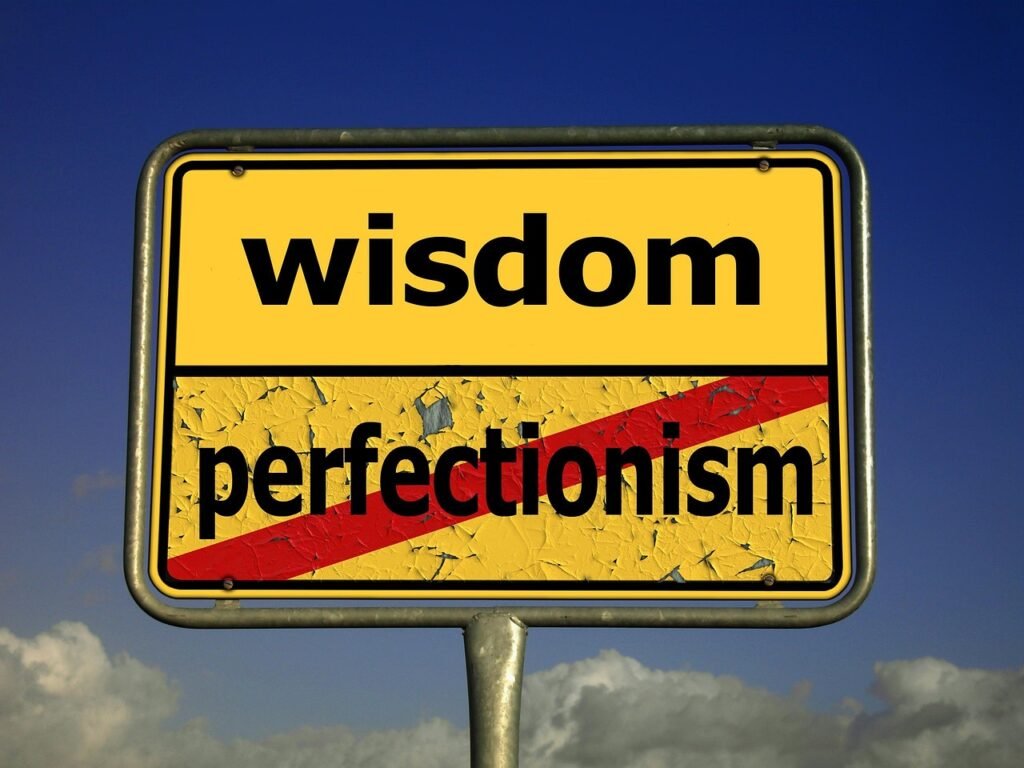
Moving past perfectionism isn’t about lowering your standards or giving up on excellence.
Instead, it’s about shifting your focus from impossible ideals to more sustainable and fulfilling goals.
By accepting that flaws and missteps are inevitable, you free yourself from the weight of constant self-criticism and open up to opportunities for growth and discovery.
As you begin this process, it’s essential to remember that change doesn’t happen overnight.
Overcoming perfectionist tendencies is a gradual journey, one that requires patience and self-awareness.
Small, consistent steps—like practicing self-compassion or challenging unhelpful thought patterns; can make a significant difference over time.
The goal is not to eliminate all high expectations but to create a balance where those expectations inspire you rather than hold you back.
Another important aspect of this journey is learning to celebrate progress, no matter how small.
Each time you take a risk or choose to let go of the need for perfection, you’re building resilience and strengthening your ability to adapt.
For instance, submitting a project before it’s “perfect” or sharing an idea that feels unpolished can reinforce the belief that your value isn’t tied to flawlessness.
These moments of growth accumulate, reshaping how you approach challenges and setbacks.
It’s also helpful to surround yourself with environments and people that support this mindset shift.
Whether it’s a trusted friend who encourages you to step outside your comfort zone or a mentor who emphasizes effort over results, having positive influences can reinforce your commitment to letting go of perfectionism.
Additionally, practicing gratitude for the lessons imperfections teach you can foster a sense of appreciation for the journey, rather than just the outcome.
Ultimately, what matters most is how you choose to move forward after acknowledging the impact of perfectionism.
When you stop viewing mistakes as threats and start seeing them as opportunities to learn, you not only improve your mental well being but also expand your potential.
Life becomes less about meeting unrealistic expectations and more about showing up, trying your best, and learning as you go.
By redefining what success means to you, you’ll find greater clarity and confidence in your actions.
The goal isn’t to ignore mistakes or imperfections but to understand that they don’t define your worth.
With time and effort, embracing imperfection can become a source of strength; a reminder that growth, connection, and creativity thrive in the space where perfection once stood.
I am now not certain where you’re getting your information, but great topic. I needs to spend some time finding out more or understanding more. Thanks for excellent info I was searching for this info for my mission.
Looking for a new bookie and Keonhacai55 cc came up. Anyone have any experiences with them? Hoping they’re legit! See what all the fuss is about at keonhacai55 cc.