

Introduction to Sustainable Personal Growth
Today, personal development and environmental sustainability have become intertwined and essential components of a unified journey in our interconnected world.
Sustainable personal growth emphasizes aligning individual progress with practices that support the health of our planet.
This approach recognizes that how we live, consume, and make daily choices directly impacts not only our inner well being but also the global ecosystem.
At its core, sustainable personal growth challenges us to rethink traditional ideas of success.
Instead of focusing solely on material achievements or personal gains, it encourages a lifestyle built on conscious decision making and responsibility.
The shift begins with understanding how our habits; whether related to consumption, energy use, or waste management, affect both ourselves and the world around us.
This awareness creates a foundation for intentional actions that prioritize balance, health, and long term benefits over instant gratification.
What makes this concept transformative is its dual focus. While personal growth often centers on self-improvement, sustainable practices broaden the scope to include our collective impact.
This dual perspective not only enriches individual growth but also builds a deeper sense of purpose.
For example, adopting eco-friendly habits like reducing plastic use or supporting sustainable businesses fosters a feeling of contribution and alignment with a larger cause.
Equally important is the role of mindfulness in guiding these choices.
By cultivating awareness, we can identify opportunities to integrate sustainable practices into everyday life.
This could mean simplifying routines, prioritizing quality over quantity, or seeking out experiences rather than material possessions.
Small, intentional changes like these create ripples that benefit both personal development and the environment.
Sustainable personal growth also thrives on adaptability.
As our understanding of the planet’s challenges evolves, so too must our approaches to living sustainably.
Flexibility and a willingness to learn are essential for making choices that align with our values in a rapidly changing world.
This adaptability allows us to address issues ranging from reducing our carbon footprint to supporting social and economic equity in ways that are both impactful and attainable.
By weaving sustainability into the fabric of personal development, this approach empowers individuals to live with greater intention.
It transforms the act of growth into something that extends beyond oneself, contributing to a healthier, more resilient planet.
The Importance of Mindful Living

Mindful living is a dynamic practice that centers on being fully present and aware of how our daily actions shape both our lives and the environment.
Today, personal development and environmental sustainability have become intertwined and essential components of a unified journey in our interconnected world.
By making decisions that align with sustainable values, we create opportunities to live with greater intention and purpose, ultimately enhancing our overall quality of life.
While adopting eco-conscious habits might initially feel like a trade off, it’s essential to consider the long term benefits.
There’s evidence suggesting that some changes, such as reducing consumption or shifting to greener alternatives, can create short-term challenges for individuals due to perceived sacrifices.
This highlights how mindful choices contribute to not only environmental improvement but also a deeper sense of fulfillment over time.
An essential element of mindful living is the ability to observe our habits without judgment, allowing us to identify areas where we can shift toward more sustainable practices.
Whether it’s as simple as reducing single use plastics or making thoughtful purchasing decisions, small, deliberate changes can build momentum toward a more conscious lifestyle.
These adjustments often serve as a reminder of how personal actions tie into larger global efforts, creating a sense of connection and accountability.
Mindfulness also encourages a shift away from material driven goals toward valuing experiences and relationships.
By slowing down and appreciating life’s intangible aspects, individuals often find that this shift naturally supports environmental and personal well being.
For instance, prioritizing quality time with loved ones or seeking fulfillment in nature rather than through material possessions often results in reduced consumption and a lighter environmental footprint.
Moreover, being mindful allows us to navigate the complexities of sustainability with curiosity and flexibility.
It pushes us to question traditional habits and evaluate how we can adopt more thoughtful approaches to everyday decisions.
In this way, mindfulness becomes a practical tool for balancing personal growth with a commitment to environmental stewardship, proving that the two are not mutually exclusive.
Sustainable Habits for Personal Development

Adopting sustainable habits in daily life can be a life changing way to enhance both personal growth and environmental health.
Simple, actionable changes; such as cutting back on single use items, conserving resources like water and energy, or choosing products with minimal environmental impact; offer tangible benefits for well being while contributing to the planet’s overall balance.
One effective approach is to evaluate how everyday routines can be streamlined to prioritize sustainability without sacrificing convenience or quality of life.
For instance, transitioning to reusable items like water bottles, grocery bags, and coffee cups can dramatically reduce waste while promoting conscious consumption.
Similarly, making a habit of switching off lights when leaving a room or choosing energy efficient appliances can cut energy usage and lower utility costs, offering both environmental and financial rewards.
Incorporating sustainable eating habits is another way to align personal development with ecological responsibility.
Reducing food waste, purchasing seasonal and locally grown produce, or choosing plant based meals a few times a week are small but meaningful steps.
These practices not only minimize environmental strain but also encourage healthier lifestyle choices, supporting physical and mental well being.
A mindful approach to shopping is equally significant.
Before making a purchase, consider the item’s lifecycle, from production to disposal.
Opting for quality over quantity or supporting businesses that prioritize ethical and sustainable practices can create a ripple effect, promoting long term environmental benefits while fostering a sense of purpose and alignment with values.
Similarly, investing in durable, multi-use items reduces the need for constant replacements, saving resources and reducing waste in the process.
Sustainable habits also include thoughtful transportation choices.
Walking, biking, carpooling, or using public transit not only cut down on greenhouse gas emissions but also encourage physical activity and community engagement.
These habits contribute to personal health while addressing broader environmental concerns, offering a win-win solution.
Moreover, setting clear, attainable goals for sustainability allows individuals to stay motivated and measure progress.
Whether it’s committing to a zero waste challenge or setting energy saving targets, these milestones make the journey toward a conscious lifestyle more engaging and rewarding.
Along the way, it’s essential to celebrate even small successes, as these moments reinforce positive behavior and build momentum for further growth.
The Impact of Community on Personal and Planetary Health

Sustainability thrives in the presence of collaboration.
When individuals come together to address environmental challenges, they not only amplify their impact but also foster a strong sense of connection and shared purpose.
Participating in community driven initiatives; such as local clean up efforts, urban gardening projects, or sustainability workshops, provides opportunities to make meaningful contributions to environmental health while forging relationships with others who share similar values.
These connections are not only rewarding on a personal level but also serve as a catalyst for collective action that drives real change.
Communities that prioritize sustainability often create environments where well being flourishes.
Shared goals and collaborative efforts generate a sense of empowerment, as individuals realize their capacity to make a difference through teamwork.
This is especially true in regions where holistic approaches to sustainability are integrated into daily life.
Such examples underscore the value of working together toward a common goal that benefits both people and the planet.
One of the most powerful aspects of community engagement is its ability to inspire action at scale.
What starts as an individual effort; whether switching to reusable items or reducing food waste, can grow exponentially when shared with others.
Community involvement transforms sustainability from a solitary pursuit into a shared responsibility, encouraging members to exchange ideas, support one another, and create lasting change.
Whether it’s through local initiatives or global movements, the ripple effect of collective action has the potential to address environmental issues more effectively than isolated efforts ever could.
Moreover, being part of a community focused on sustainability offers continuous learning opportunities.
Members share knowledge, experiences, and solutions, which helps individuals discover new ways to incorporate eco-friendly habits into their routines.
This shared learning often sparks innovation, as diverse perspectives and skills come together to tackle challenges in unique ways.
The collaborative nature of these efforts makes it easier to adapt to new information and develop strategies that are both impactful and achievable.
Engaging with a community also provides accountability and motivation.
Knowing that others are working toward the same goals can encourage individuals to remain committed to their sustainability practices, even when obstacles arise.
Additionally, celebrating collective achievements reinforces the importance of shared efforts, creating a positive feedback loop that drives further action.
This sense of solidarity not only enhances personal commitment but also strengthens the bonds within the community.
Finally, sustainable communities contribute to broader systemic changes.
By advocating for policies that support environmental health and social equity, they create momentum for shifts at local, national, and even global levels.
When individuals come together to demand cleaner energy, better public transportation, or waste reduction initiatives, their voices are amplified, pushing for a more sustainable future.
These collective actions demonstrate that communities play an essential role in addressing the pressing environmental challenges of our time.
Personal Growth through Connection with Nature

Spending time in nature offers a unique opportunity to foster self-awareness and deepen our connection to the environment.
Immersing ourselves in natural settings, whether through outdoor activities like hiking or simply sitting in a green space, allows us to step away from the distractions of daily life and reconnect with what truly matters.
These moments provide the clarity needed to reflect on our habits and choices, offering insights into how we can align our lives with sustainable principles.
Nature has a remarkable ability to ground us, both mentally and physically.
Being outdoors not only improves mood and reduces stress but also reminds us of the delicate balance that sustains life on Earth.
Engaging in activities like gardening, for example, fosters a sense of responsibility and care, as we witness firsthand the effort required to nurture growth.
Similarly, exploring local parks or natural reserves can open our eyes to the beauty of biodiversity and the importance of protecting ecosystems for future generations.
The connection between nature and personal growth is further supported by the positive impact environmental improvements can have on well being.
Experiencing cleaner, healthier environments not only enhances our quality of life but also reinforces the importance of making sustainable choices. When we see the tangible benefits of protecting our surroundings, it becomes easier to embrace practices that contribute to ecological balance.
Incorporating nature into our daily lives doesn’t have to be complicated.
Small actions, like taking a walk in a nearby green space or pausing to observe the changing seasons, can help cultivate mindfulness and gratitude.
These practices encourage a slower, more thoughtful pace, which often leads to more intentional decision making.
Over time, this mindful approach extends beyond personal reflection, influencing how we interact with others and the environment.
Nature also provides a powerful source of inspiration.
Observing its resilience; how plants regrow after a storm or how animals adapt to changing conditions, can serve as a metaphor for personal challenges.
These lessons from the natural world remind us of our own capacity to grow, adapt, and thrive.
Additionally, spending time outdoors encourages curiosity and a desire to learn more about the world around us, fostering a deeper commitment to environmental stewardship.
By integrating outdoor experiences into our routines, we develop a greater appreciation for the planet’s resources and the role they play in our lives.
This connection creates a ripple effect, influencing not only how we treat the environment but also how we approach our own personal growth.
Whether it’s finding peace in the stillness of a forest or feeling energized by the vastness of the ocean, these interactions with nature enrich our understanding of ourselves and our place within the larger ecological system.
Conclusion: The Path Forward
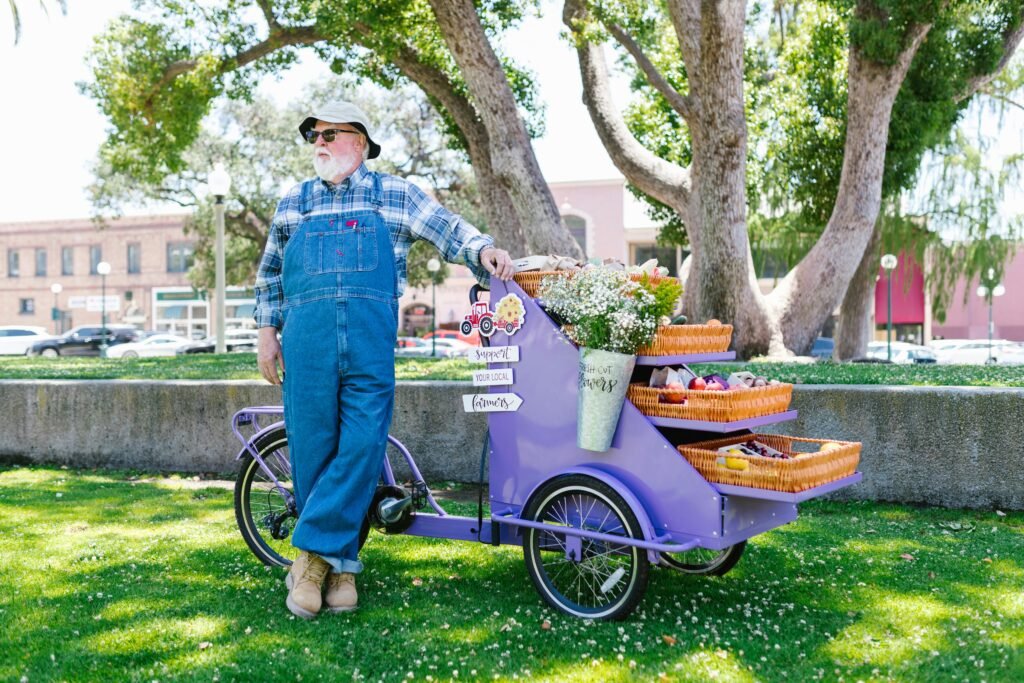
The path toward sustainable personal growth invites individuals to consider how their daily actions can simultaneously nurture their well being and support the planet.
This approach is not about perfection but about progress; taking consistent, thoughtful steps that align personal development with ecological responsibility.
By embracing this perspective, we create opportunities for a more intentional and fulfilling life while contributing to a healthier environment.
At its essence, sustainable personal growth is about harmonizing individual aspirations with global needs.
It challenges us to redefine success in a way that prioritizes long term benefits over short term gains.
This mindset shift helps individuals recognize the interconnectedness of their choices, reinforcing that personal improvement and environmental stewardship are deeply intertwined.
When approached with care and commitment, this balance has the potential to drive significant positive change for both people and the planet.
A key element of this process involves setting realistic, actionable goals that integrate eco-friendly habits into everyday life.
Whether it’s conserving energy, reducing waste, or supporting sustainable businesses, these steps add up over time.
What’s more, pursuing sustainability often leads to unexpected rewards; improved health, financial savings, and a stronger sense of purpose, to name a few.
Recognizing these benefits can help maintain motivation and momentum, making the journey feel even more worthwhile.
Moreover, as we take steps toward sustainability, it’s essential to stay adaptable and open to learning.
The environmental challenges we face are complex and constantly evolving, requiring us to continually evaluate and adjust our actions.
This flexibility not only ensures that our efforts remain effective but also allows us to grow as individuals, cultivating skills like resilience and creativity.
These traits enrich personal development while enhancing our ability to navigate a changing world.
Equally important is the power of collective effort.
Community engagement amplifies individual actions, transforming sustainability into a shared endeavor with far reaching impacts.
By joining forces with others; whether through local initiatives or global movements, we create stronger networks of support and innovation.
Together, we can advocate for policies and practices that advance both personal and planetary well being, demonstrating the profound influence of collaboration.
As we reflect on the journey of sustainable personal growth, it becomes clear that this path extends beyond ourselves.
It’s an opportunity to leave a meaningful legacy by contributing to a future where people and the environment thrive together.
The evidence is compelling: Factors such as the SDG Index, Environmental Protection Index, and GDP per capita collectively provide a strong explanation for subjective well-being.
These connections remind us that aligning our actions with sustainable principles is not only beneficial but essential for creating a world that supports both personal and collective flourishing.
As we look ahead, the path forward lies in embracing the transformative potential of conscious living.
By weaving sustainability into the fabric of our lives, we empower ourselves to grow in ways that uplift both humanity and the planet.
This journey is not just about making changes; it’s about creating a life that reflects the values of care, connection, and responsibility.
Hello! This is kind of off topic but I need some advice from an established blog. Is it very difficult to set up your own blog? I’m not very techincal but I can figure things out pretty fast. I’m thinking about creating my own but I’m not sure where to start. Do you have any tips or suggestions? Cheers
skla
I got this website from my pal who informed me on the topic of this website and at the moment this time I am browsing this web page and reading very informative posts at this time.
регистрация казино либет
Hello there, You have done an excellent job. I will certainly digg it and personally suggest to my friends. I’m confident they’ll be benefited from this web site.
вход Banda Casino
Nice post. I learn something new and challenging on blogs I stumbleupon everyday. It’s always helpful to read through content from other authors and use something from their websites.
lee bet
вакансии удаленная работа удаленная работа для мам в декрете