
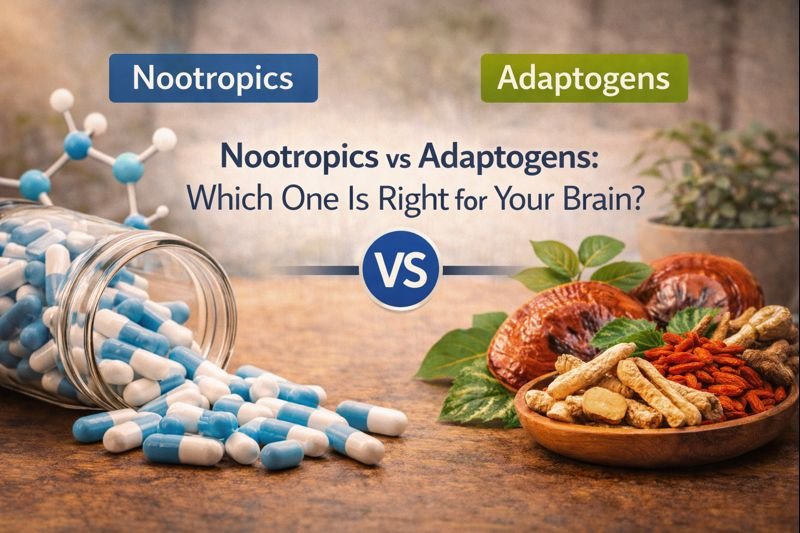
Introduction to Nootropics and Adaptogens
In a world where demands on mental performance and stress management seem ever increasing, many people turn to supplements to support their brain health and overall well being.
Nootropics and adaptogens are two popular options often discussed in this context.
While both are associated with improving mental and physical states, they serve different purposes and work in distinct ways.
Nootropics are substances aimed at enhancing cognitive abilities like memory, focus, creativity, and overall mental clarity.
They are widely used by students, professionals, and anyone looking for a mental boost during demanding tasks.
These substances can range from natural compounds like herbs and amino acids to synthetic options designed specifically to target brain function.
Adaptogens, by contrast, focus on helping the body respond to and recover from stress.
They aim to balance and normalize bodily processes, making them especially beneficial for individuals facing high levels of physical or mental stress.
Unlike nootropics, their primary role is not to enhance cognitive performance directly but to promote overall resilience and well-being.
Understanding the distinction between nootropics and adaptogens is key to determining which approach aligns with your specific needs.
Nootropics are better suited for situations requiring a cognitive edge, while adaptogens cater more to stress relief and maintaining balance.
Knowing how these two types of supplements work can help clarify the often overlapping claims made about them and guide you toward making an informed choice.
Key Differences Between Nootropics and Adaptogens
Nootropics and adaptogens are distinct in their purpose and mechanisms, and understanding these differences can help you determine which one aligns with your needs.
Nootropics, often referred to as cognitive enhancers, are substances that specifically target brain function.
Their primary goal is to improve areas such as memory, focus, motivation, and mental clarity.
They are often chosen by individuals seeking a direct cognitive boost, whether for studying, work, or other mentally demanding activities.
Nootropics work by influencing brain chemicals or increasing blood flow to the brain, enhancing mental performance in the process.
Adaptogens, on the other hand, are natural substances that help the body respond more effectively to stress.
Instead of focusing directly on boosting cognitive abilities, they aim to support overall balance in the body and improve resilience to both physical and mental stressors.
This makes them especially helpful for individuals dealing with high levels of chronic stress or those looking to maintain equilibrium during busy or challenging periods.
By stabilizing stress related hormones and processes, adaptogens can promote a sense of calm and stability, indirectly benefiting mental clarity and well being.
Another key difference lies in how each category of supplement works over time.
Nootropics often provide noticeable, immediate effects that can be felt shortly after consumption, making them suitable for short term use in situations requiring heightened focus or productivity.
In contrast, adaptogens tend to work gradually, with their benefits becoming more apparent after consistent use over days or weeks.
This slower buildup is reflective of their role in supporting long term stress management rather than delivering an immediate mental boost.
It’s also important to note the variation in applications.
While nootropics are geared toward enhancing mental performance, adaptogens are more holistic in their approach, aiming to normalize the body’s response to stress.
The choice between the two largely depends on whether your primary concern is achieving peak cognitive performance or managing stress to foster overall well-being.
Examples of Popular Nootropics

Caffeine is perhaps the most widely recognized nootropic, valued for its ability to enhance alertness, focus, and overall mental energy.
Found in coffee, tea, and many energy drinks, caffeine works by blocking adenosine receptors in the brain, which helps reduce feelings of fatigue.
However, while it’s effective in small to moderate amounts, excessive intake can lead to side effects like jitteriness, anxiety, or trouble sleeping.
Another frequently used nootropic is L-Theanine, an amino acid found naturally in tea leaves.
Unlike caffeine, L-Theanine is known for its calming properties.
It helps promote relaxation without causing drowsiness, making it a popular choice for those looking to reduce stress or improve focus in a balanced way.
When combined with caffeine, L-Theanine can enhance cognitive performance while mitigating caffeine’s potential drawbacks, like restlessness or overstimulation.
Bacopa Monnieri is a plant-based nootropic commonly used to support memory and learning.
This herb is thought to work by influencing neurotransmitters and improving blood flow to the brain.
Research suggests that consistent use of Bacopa Monnieri may help improve information retention and reduce mental fatigue, though it often takes weeks of regular use to notice its effects fully.
Piracetam, a synthetic nootropic, is another example that has been studied for its potential to improve memory and cognitive function.
It’s believed to enhance communication between brain cells and improve oxygen use in the brain.
While it’s not as widely used in the United States as some natural options, Piracetam remains a notable example of how synthetic nootropics can target mental performance.
Lion’s Mane Mushroom is an increasingly popular natural nootropic with a focus on long term brain health.
It contains compounds that may encourage the growth of new brain cells and improve overall cognitive function.
This makes it a promising option for supporting memory and mental clarity over time.
Alpha-GPC, a choline containing compound, is another nootropic known for its ability to boost acetylcholine levels in the brain, a neurotransmitter linked to memory and learning.
It’s often included in nootropic stacks aimed at enhancing mental sharpness and focus.
Ginkgo Biloba, derived from the leaves of the Ginkgo tree, is another plant based nootropic.
It’s commonly used for its potential to improve blood circulation in the brain, which may enhance memory, attention, and overall mental clarity.
While research on its effectiveness is mixed, it remains a popular choice for those looking to support cognitive health naturally.
Lastly, Rhodiola Rosea, while more commonly categorized as an adaptogen, is sometimes considered a nootropic due to its potential to enhance focus and reduce mental fatigue.
It’s especially useful in situations where both cognitive performance and stress management are needed.
By incorporating these examples into your understanding of nootropics, you can explore how each one works and find the best fit for your specific needs.
Examples of Popular Adaptogens

Ashwagandha is one of the most widely recognized adaptogens and is often used to help manage stress and promote a sense of calm.
This makes it a strong choice for individuals dealing with ongoing mental or physical stress.
Many people also find that Ashwagandha supports better sleep, which can indirectly improve energy levels and focus during the day.
Rhodiola Rosea is another popular adaptogen, often chosen for its ability to combat fatigue and improve both mental and physical endurance.
This adaptogen is particularly useful for individuals who need to stay mentally sharp and physically active while managing stress.
Its dual action of reducing stress and boosting performance makes it a versatile option for a variety of situations.
Schisandra Chinensis is valued for its ability to support mental clarity and reduce feelings of fatigue.
It has been highlighted for its ability to enhance stress resilience and support mental clarity.
It’s often used by individuals looking to maintain focus and energy throughout the day while navigating demanding schedules.
Additionally, Schisandra is believed to support liver health, which can contribute to overall well-being and energy levels.
Holy Basil, also known as Tulsi, is another well known adaptogen with a long history of use in traditional medicine.
It is commonly used to reduce feelings of stress and promote emotional balance.
Holy Basil is also thought to support immune function and reduce inflammation, making it a helpful choice for those seeking holistic support for both mental and physical health.
Eleuthero, sometimes referred to as Siberian Ginseng, is an adaptogen often used to boost energy and endurance.
It’s frequently included in regimens designed to help the body adapt to physical and mental stressors, particularly for individuals facing demanding work or exercise routines.
Eleuthero is believed to work by enhancing the body’s resilience over time, providing gradual and consistent support.
Licorice Root is another adaptogen that may help the body cope with stress by supporting adrenal function.
It is thought to enhance the body’s ability to regulate cortisol levels, helping to maintain energy and reduce the negative effects of prolonged stress.
While effective, it’s worth noting that Licorice Root should be used with caution by individuals with certain health conditions, such as high blood pressure.
Reishi Mushroom is gaining popularity for its calming effects and ability to support immune function.
Often referred to as the “mushroom of immortality” in traditional medicine, Reishi is commonly used to promote relaxation and support overall resilience, especially during periods of high stress.
Cordyceps is another adaptogen with unique properties, often used to enhance energy and stamina.
Factors to Consider When Choosing Between Them

When deciding between nootropics and adaptogens, it’s helpful to start by identifying what you want to address.
If you’re aiming to enhance focus, memory, or overall cognitive performance, nootropics might be the most suitable choice.
On the other hand, if your main concern is managing stress, improving resilience, or supporting your body during busy periods, adaptogens could better align with your needs.
Recognizing this distinction is an essential first step in choosing a supplement that fits your goals.
Another important consideration is how quickly you expect to see results.
Nootropics often provide faster, short term effects, making them useful when you need an immediate mental boost for specific tasks.
Adaptogens, in contrast, tend to work more gradually, focusing on long term support for stress management and overall balance.
Think about whether you’re seeking immediate benefits or a longer-term solution to help your body and mind adapt to challenges.
Your daily routine and stress levels can also play a significant role in this decision.
For individuals who regularly face intense mental demands; such as students, professionals, or creatives, nootropics may provide the extra cognitive support needed to meet deadlines or solve complex problems.
Conversely, if your schedule involves ongoing stress or frequent physical strain, adaptogens can help your body recover and maintain a sense of balance, even during chaotic periods.
It’s also worth thinking about how a supplement fits into your current lifestyle.
For example, if you already consume stimulants like caffeine, adding certain nootropics could amplify their effects, while others like L-Theanine might help smooth out any unwanted side effects, such as jitters.
Meanwhile, adaptogens such as Ashwagandha or Holy Basil might complement practices like yoga, meditation, or regular exercise that focus on stress reduction and overall wellness.
Your tolerance for experimenting with new supplements and tracking how your body responds is another factor to weigh.
Some nootropics, like caffeine or L-Theanine, can produce noticeable effects after just one dose, while others, such as Bacopa Monnieri, require consistent use to deliver benefits over time.
Similarly, adaptogens often require weeks of regular use to reveal their full potential, which means patience and commitment are key if you choose this route.
Additionally, consider any health conditions or medications that may interact with your choice.
For example, adaptogens like Licorice Root may affect blood pressure, and some nootropics can interfere with sleep or increase feelings of restlessness if not used appropriately.
Checking for potential interactions and consulting a healthcare provider is always a smart step before adding a new supplement to your routine.
Finally, your personal preferences and values; such as whether you prefer natural ingredients, synthetic compounds, or plant based options, may also influence your decision.
Some people may lean toward nootropics that offer precise, targeted cognitive effects, while others might prioritize adaptogens for their holistic approach to stress management and overall health support.
By carefully evaluating these factors, you can choose a supplement that aligns with your specific needs and lifestyle.
Conclusion: Making the Right Choice for Your Brain

Choosing between nootropics and adaptogens ultimately depends on your personal goals and priorities.
Each offers distinct benefits, so the key is to focus on what you need most for your mental and physical well being.
Nootropics are ideal if you’re seeking to improve cognitive performance in areas such as focus, memory, or mental clarity.
They are particularly helpful for those facing tasks that require a sharp and sustained mental edge, like studying, creative work, or problem solving under tight deadlines.
Adaptogens, in contrast, are better suited for managing stress and promoting balance in your body.
If you’re feeling overwhelmed or are navigating a particularly hectic or demanding period, adaptogens can provide the support needed to build resilience and maintain emotional stability over time.
These natural substances aim to improve how your body adapts to stress rather than delivering immediate mental boosts, making them a good fit for long term stress management and recovery.
As you consider your options, think about your daily routines and challenges.
Are you typically in situations where you need quick mental clarity, or do you often feel weighed down by chronic stress?
This question can guide you toward the most appropriate choice. Additionally, take into account how quickly you’d like to see results.
Nootropics often work within hours, while adaptogens typically require consistent use to produce noticeable effects.
It’s also important to remember that nootropics and adaptogens aren’t mutually exclusive.
Some people find value in combining the two, depending on their needs.
For example, you might use a nootropic like L-Theanine or caffeine for immediate cognitive support during a busy day, while taking an adaptogen like Ashwagandha over time to manage stress and maintain balance.
However, combining supplements should be done with care, and consulting with a healthcare provider can ensure you’re doing so safely.
When exploring these options, be mindful of how supplements fit into your broader lifestyle.
If you’re already practicing stress management techniques like yoga or mindfulness, adaptogens may complement those efforts.
Alternatively, if you rely on stimulants like coffee to get through your day, nootropics may enhance focus without the need for additional caffeine.
Finally, think about what matters most to you in a supplement.
Are you looking for natural, plant based options, or are you comfortable with synthetic alternatives?
This preference can help you narrow down your choices and find a supplement that aligns with your values.
By clearly identifying your goals and considering how these supplements interact with your routine, you’ll be better equipped to choose the option that best supports your brain and overall well being.
I’m truly enjoying the design and layout of your website. It’s a very easy on the eyes which makes it much more enjoyable for me to come here and visit more often. Did you hire out a developer to create your theme? Excellent work!
When someone writes an post he/she maintains the thought of a user in his/her mind that how a user can understand it. Therefore that’s why this article is great. Thanks!
Good day! I know this is kinda off topic but I was wondering which blog platform are you using for this website? I’m getting fed up of WordPress because I’ve had problems with hackers and I’m looking at alternatives for another platform. I would be great if you could point me in the direction of a good platform.
Thank you for any other excellent article. Where else may just anybody get that type of information in such an ideal means of writing? I’ve a presentation subsequent week, and I am at the look for such info.
https://share.google/0F7mNhBF6xNU6zgUp
It is appropriate time to make a few plans for the long run and it is time to be happy. I have learn this post and if I may just I want to counsel you few interesting things or tips. Maybe you could write subsequent articles relating to this article. I desire to read more issues about it!
It’s nearly impossible to find well-informed people in this particular topic, but you sound like you know what you’re talking about! Thanks
Please let me know if you’re looking for a writer for your site. You have some really good articles and I feel I would be a good asset. If you ever want to take some of the load off, I’d really like to write some material for your blog in exchange for a link back to mine. Please shoot me an e-mail if interested. Many thanks!
magnificent put up, very informative. I’m wondering why the opposite specialists of this sector don’t realize this. You must continue your writing. I’m sure, you have a great readers’ base already!
thanks, interesting read
_________________
олимпбет неге б?гін ж?мыс істемейді
Nice blog here! Also your website loads up fast! What host are you using? Can I get your affiliate link to your host? I wish my site loaded up as quickly as yours lol